
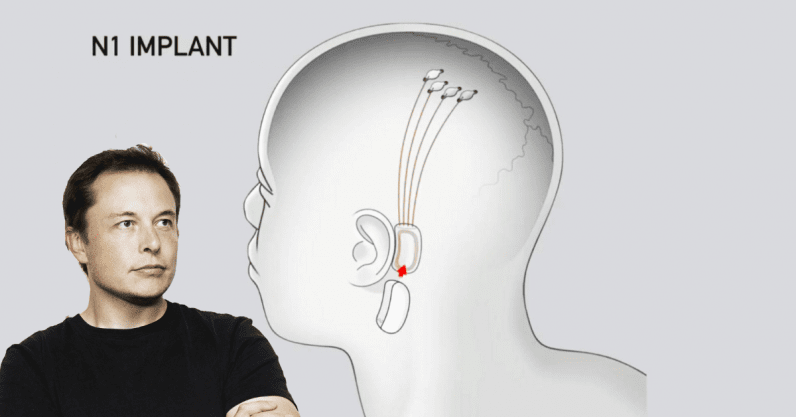
If thoughts, feelings and other mental activities are nothing more than electrochemical signals flowing around a vast network of brain cells, will connecting these signals with digital electronics allow us to enhance the abilities of our brains? That’s what tech entrepreneur Elon Musk suggested in a recent presentation of the Neuralink device, an innovative brain-machine interface implanted in a pig called Gertrude. But how feasible is his vision? When I raised some brief reservations about the science, Musk dismissed them in a tweet saying: “It is unfortunately common for many in academia to overweight the value of ideas and underweight…
This story continues at The Next Web